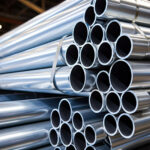

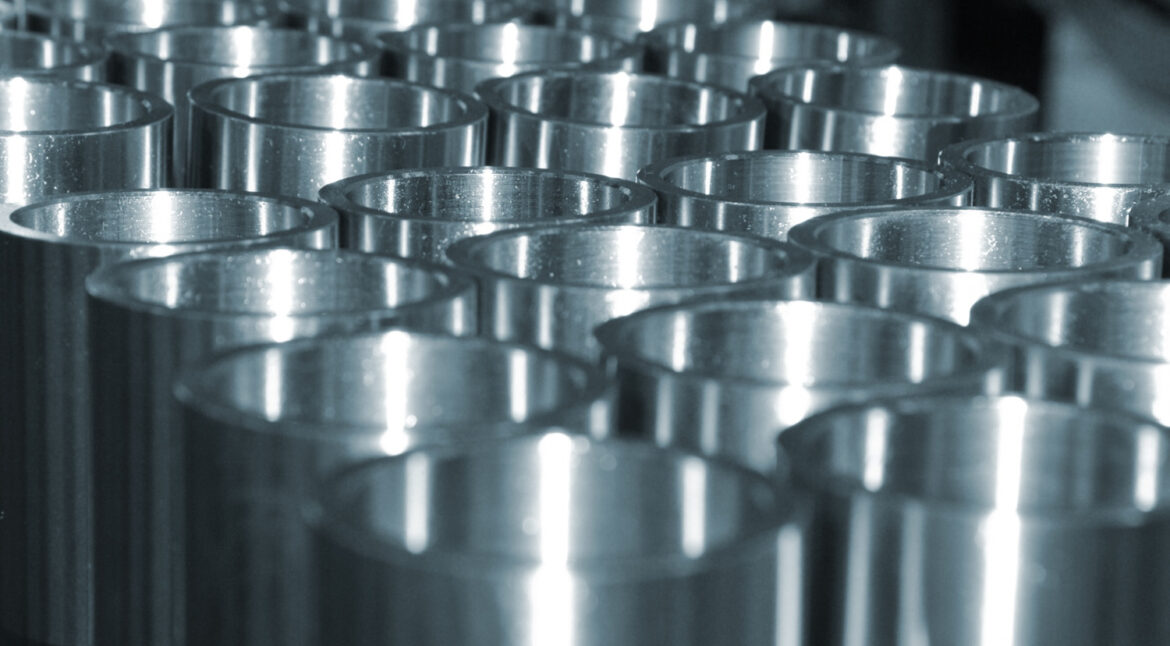
In the industrial sector, selecting the right tube supplier is one of the most important decisions for ensuring quality, efficiency, and long-term success. Tubes are essential components used in various industries, including construction, engineering, automotive, chemical processing, pharmaceuticals, manufacturing, and many more. The quality of tubes directly affects the performance, safety, and durability of industrial projects.
A reliable tube supplier does more than just provide products. They become a trusted partner who supports your business with consistent quality, technical expertise, timely delivery, and customized solutions. Choosing the right supplier helps businesses reduce costs, improve productivity, and maintain high standards.
With many suppliers available in the market, finding the right one requires careful evaluation. This blog explains the key factors to consider when selecting a tube supplier for your business.
1. Focus on Product Quality and Standards
Quality should always be the first priority when choosing a tube supplier. Industrial tubes must meet strict quality requirements to perform effectively under different working conditions.
A trusted supplier should provide tubes manufactured using high-quality raw materials and advanced production techniques. They should follow industry standards and quality control processes to ensure reliability.
High-quality tubes offer:
- Better durability
- Higher strength
- Improved corrosion resistance
- Longer service life
- Reduced maintenance needs
Before selecting a supplier, check their manufacturing processes, testing procedures, and quality certifications to ensure their products meet your business requirements.
2. Check Experience and Industry Expertise
Experience plays an important role in identifying a dependable tube supplier. A supplier with years of industry knowledge understands different applications, materials, and customer needs.
Experienced manufacturers can guide you in selecting the right type of tube based on:
- Application requirements
- Material grade
- Size and thickness
- Operating conditions
- Industry standards
A knowledgeable supplier can help you avoid costly mistakes and provide solutions that match your specific project requirements.
3. Wide Range of Tube Products
Every industry has different requirements, so choosing a supplier with a wide product range is beneficial.
A good tube supplier should offer various options, including different:
- Sizes
- Shapes
- Thicknesses
- Grades
- Finishes
- Specifications
Whether you need stainless steel tubes, industrial tubes, or customized solutions, a supplier with diverse products can provide the right solution without unnecessary delays.
A wide product range also shows the supplier’s capability to handle different industrial applications.
4. Customization Capabilities
Many industrial projects require tubes with specific dimensions, designs, or performance characteristics. A supplier who offers customization can provide products that perfectly match your requirements.
Customized tube solutions may include:
- Special sizes
- Specific material grades
- Custom finishes
- Unique specifications
Working with a supplier who understands customization helps improve project efficiency and ensures better compatibility with your applications.
5. Reliable Delivery and Supply Chain Support
Timely delivery is critical for maintaining smooth business operations. Delays in receiving materials can affect production schedules, increase costs, and impact customer commitments.
A reliable tube supplier should have an efficient supply chain system and the ability to deliver products within the agreed timeline.
Important factors to consider include:
- Delivery time
- Stock availability
- Packaging quality
- Transportation support
- Order management process
A supplier who consistently meets delivery commitments becomes a valuable long-term business partner.
6. Advanced Manufacturing Technology
Technology plays a major role in producing accurate and high-performance tubes. Modern manufacturing equipment helps maintain precision, consistency, and product quality.
A professional tube supplier uses advanced machinery and inspection methods to ensure:
- Accurate dimensions
- Smooth surface finish
- Consistent quality
- Better performance
Suppliers investing in technology are usually better prepared to meet changing industry demands.
7. Quality Testing and Inspection
Industrial tubes are used in applications where safety and reliability are important. Therefore, proper testing is necessary before products reach customers.
A dependable supplier should perform quality checks such as:
- Material testing
- Dimensional inspection
- Surface inspection
- Performance testing
These processes help identify defects and ensure that every tube meets required specifications.
Choosing a supplier with strong quality inspection practices gives businesses confidence in product performance.
8. Competitive Pricing and Value
Price is an important factor, but it should not be the only deciding point. The cheapest option may not always provide the best value.
A good supplier offers a balance between:
- Product quality
- Service
- Reliability
- Pricing
High-quality tubes may have a slightly higher initial cost but can provide better long-term value through reduced maintenance and longer lifespan.
Businesses should focus on total value rather than only the purchase price.
9. Customer Support and Communication
Strong communication is a sign of a professional supplier. A supplier should be responsive, transparent, and easy to work with.
Good customer support includes:
- Quick responses
- Technical assistance
- Order updates
- Problem-solving support
A supplier who understands customer needs and provides continuous support helps build stronger business relationships.
10. Reputation and Customer Feedback
Before finalizing a supplier, research their reputation in the market. Customer reviews, testimonials, and past projects can provide valuable information about their reliability.
A supplier with positive feedback usually demonstrates:
- Consistent product quality
- Professional service
- Customer satisfaction
- Trustworthiness
A strong reputation indicates that the supplier has successfully delivered solutions to other businesses.
11. Compliance with Industry Requirements
Different industries have different safety and quality standards. The right supplier should understand the requirements of your specific industry.
For example:
- Construction projects may require strong structural tubes
- Food industries may require hygienic materials
- Chemical industries may need corrosion-resistant solutions
A supplier familiar with industry regulations can provide products that meet necessary standards.
12. Building a Long-Term Partnership
Choosing a tube supplier is not just about a single purchase. A reliable supplier can become a long-term partner who supports your business growth.
A strong partnership provides:
- Consistent supply
- Better communication
- Improved planning
- Customized solutions
- Long-term reliability
Working with the right supplier helps businesses maintain efficiency and achieve better results.
Why Choose a Trusted Tube Manufacturer?
A professional tube manufacturer focuses on delivering quality products and dependable service. With proper expertise, advanced technology, and customer-focused solutions, they help industries meet their performance goals.
A trusted supplier provides confidence that every product delivered meets expectations and supports your business operations effectively.
Conclusion
Selecting the right tube supplier is a crucial step for any business that depends on industrial tube solutions. Quality, experience, product range, customization, delivery reliability, and customer support are key factors that should be considered before making a decision.
A dependable supplier does not just provide tubes; they provide solutions that improve efficiency, reduce risks, and support long-term success.
By choosing a trusted and experienced tube supplier, businesses can ensure they receive high-quality products, reliable service, and the confidence needed to grow in a competitive industrial market.