
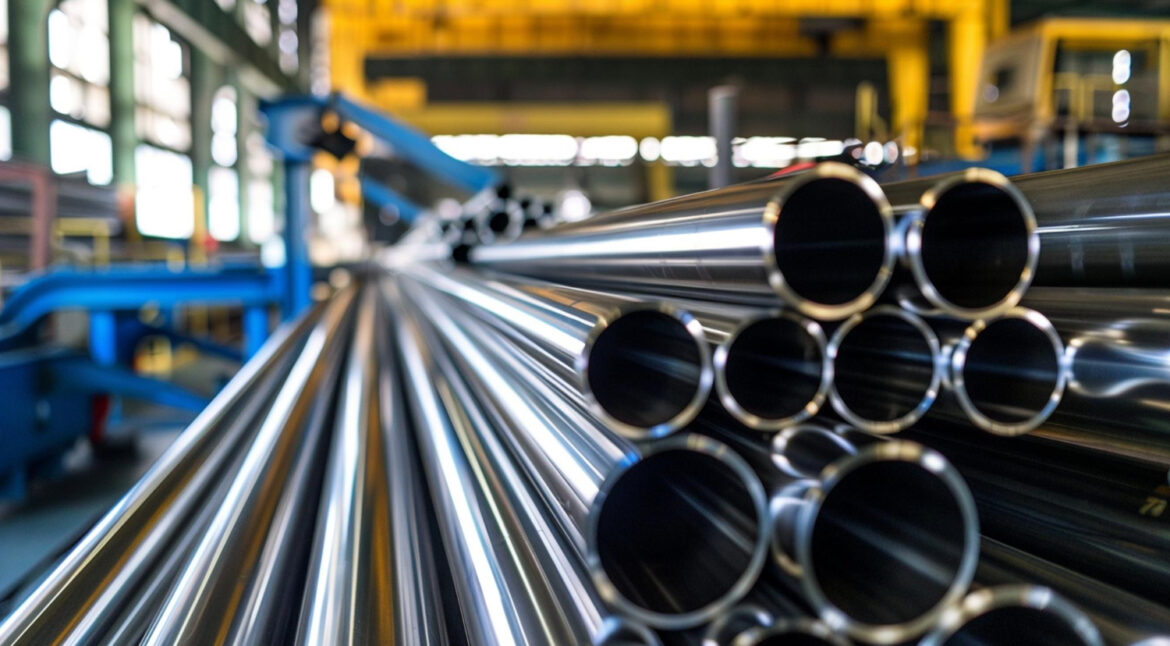
In the industrial sector, quality plays a major role in determining the performance, safety, and reliability of products. When it comes to industrial tube manufacturing, maintaining high-quality standards is essential because tubes are used in critical applications where strength, durability, and precision are required.
Industrial tubes are important components in various industries, including construction, engineering, automotive, chemical processing, pharmaceuticals, food processing, power generation, and manufacturing. A small defect or inconsistency in tube quality can affect the efficiency of an entire system. This is why choosing high-quality industrial tubes from a trusted manufacturer is extremely important.
Quality manufacturing is not only about producing strong products; it is about ensuring consistency, accuracy, safety, and long-term performance.
Understanding Industrial Tube Manufacturing
Industrial tube manufacturing involves producing hollow cylindrical products designed for different applications. These tubes can be manufactured using various materials, sizes, shapes, and techniques depending on customer requirements.
The manufacturing process includes several important stages such as:
- Selection of raw materials
- Tube forming
- Welding or seamless production
- Heat treatment
- Surface finishing
- Quality inspection
- Testing
Each step affects the final performance of the tube. A professional manufacturer focuses on maintaining quality throughout the entire production process.
1. Quality Ensures Strength and Durability
Industrial tubes often operate under challenging conditions, including heavy loads, high pressure, temperature changes, and mechanical stress. Poor-quality tubes may fail under these conditions, leading to safety risks and operational problems.
High-quality tubes are manufactured with accurate material composition and proper processing techniques. This improves their ability to handle demanding applications.
Durable industrial tubes provide:
- Longer service life
- Better performance
- Reduced replacement costs
- Improved operational efficiency
For industries where reliability is critical, quality cannot be compromised.
2. Proper Material Selection Improves Performance
The quality of an industrial tube begins with the raw materials used during manufacturing. Different applications require different materials with specific properties.
For example:
- Stainless steel tubes provide corrosion resistance
- Alloy tubes offer high temperature performance
- Carbon steel tubes provide strength and cost efficiency
A reliable manufacturer carefully selects materials based on the intended application. Using high-quality raw materials ensures that the final product meets required performance standards.
3. Precision Manufacturing Creates Better Results
Accuracy is one of the most important factors in industrial tube manufacturing. Tubes must meet specific dimensional requirements to fit properly into machines, pipelines, and structures.
Important factors include:
- Outer diameter accuracy
- Wall thickness consistency
- Length precision
- Surface quality
Even small variations can create installation problems or reduce system efficiency.
Advanced manufacturing technology helps manufacturers produce tubes with precise measurements and consistent quality.
4. Quality Control Reduces Product Failures
Quality control is an essential part of tube manufacturing. Before products reach customers, they must go through various inspection and testing processes.
Quality checks may include:
- Material testing
- Dimensional inspection
- Surface inspection
- Pressure testing
- Performance testing
These tests help identify possible defects and ensure that every tube meets industry requirements.
Strong quality control systems reduce failures and improve customer confidence.
5. Corrosion Resistance Increases Product Life
Many industrial applications expose tubes to moisture, chemicals, and harsh environments. Without proper corrosion resistance, tubes may weaken over time.
High-quality stainless steel tubes are designed to resist corrosion and maintain their performance even in challenging conditions.
Corrosion-resistant tubes are commonly used in:
- Chemical industries
- Marine applications
- Water treatment systems
- Food processing plants
- Pharmaceutical industries
By preventing corrosion, quality tubes help reduce maintenance needs and increase operational life.
6. Safety Depends on Tube Quality
Safety is one of the biggest reasons why quality matters in industrial tube manufacturing. Tubes are often used in systems where failure can create serious operational issues.
High-quality tubes provide:
- Better structural stability
- Reliable pressure handling
- Improved resistance to damage
- Greater workplace safety
Manufacturers must follow strict quality standards to ensure that their products perform safely in real-world applications.
7. Better Surface Finish and Appearance
Surface finish is another important quality factor, especially for industries where cleanliness and appearance matter.
A smooth tube surface provides:
- Easier cleaning
- Reduced contamination risk
- Better appearance
- Improved performance
Industries such as food processing, pharmaceuticals, and architectural applications require tubes with excellent surface quality.
Proper finishing processes help maintain product quality and usability.
8. Improves Industrial Efficiency
High-quality tubes contribute to better overall efficiency in industrial operations. When tubes perform reliably, machines and systems can operate smoothly without frequent interruptions.
Poor-quality tubes may cause:
- Production delays
- Increased maintenance
- Unexpected replacements
- Higher operating costs
Using quality-manufactured tubes helps businesses maintain productivity and achieve better results.
9. Compliance With Industry Standards
Professional tube manufacturers follow industry standards and specifications to ensure product reliability.
Meeting standards helps guarantee:
- Consistent quality
- Reliable performance
- Customer satisfaction
- Safer applications
Industries often require materials that meet specific regulations, making compliance an important part of manufacturing quality.
A trusted manufacturer understands these requirements and delivers products accordingly.
10. Importance of Advanced Manufacturing Technology
Modern technology has improved the way industrial tubes are manufactured. Advanced machinery and automated systems allow manufacturers to achieve higher accuracy and consistency.
Technology helps in:
- Improving production speed
- Reducing errors
- Enhancing product quality
- Maintaining uniformity
Manufacturers who invest in advanced equipment can provide better solutions for modern industrial needs.
11. Customer Satisfaction and Long-Term Relationships
Quality plays an important role in building strong relationships between manufacturers and customers.
When customers receive reliable products, they experience:
- Better project outcomes
- Reduced problems
- Higher trust
- Long-term business partnerships
A quality-focused manufacturer does not only supply products but also provides confidence and support.
12. Cost Savings Over Time
Some businesses focus only on initial pricing when selecting industrial tubes. However, low-cost products may result in higher expenses due to frequent repairs and replacements.
High-quality tubes provide better long-term value because they:
- Last longer
- Require less maintenance
- Improve efficiency
- Reduce downtime
Investing in quality products helps businesses control costs and improve profitability.
Choosing the Right Industrial Tube Manufacturer
Selecting the right manufacturer is an important step in ensuring tube quality. A reliable supplier should have:
- Experienced manufacturing expertise
- Strict quality control processes
- Advanced production facilities
- Skilled technical teams
- Consistent product standards
Working with a trusted manufacturer ensures that your business receives tubes that meet performance expectations.
Conclusion
Quality is the foundation of successful industrial tube manufacturing. From material selection to final inspection, every stage of production affects the strength, reliability, and performance of the final product.
High-quality industrial tubes provide better durability, improved safety, corrosion resistance, and long-term value. They help industries operate efficiently while reducing maintenance costs and improving productivity.
For businesses that depend on reliable tube solutions, choosing a manufacturer that focuses on quality is essential. Quality is not just a feature — it is a commitment to performance, safety, and customer satisfaction.