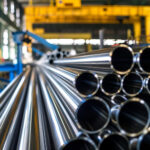

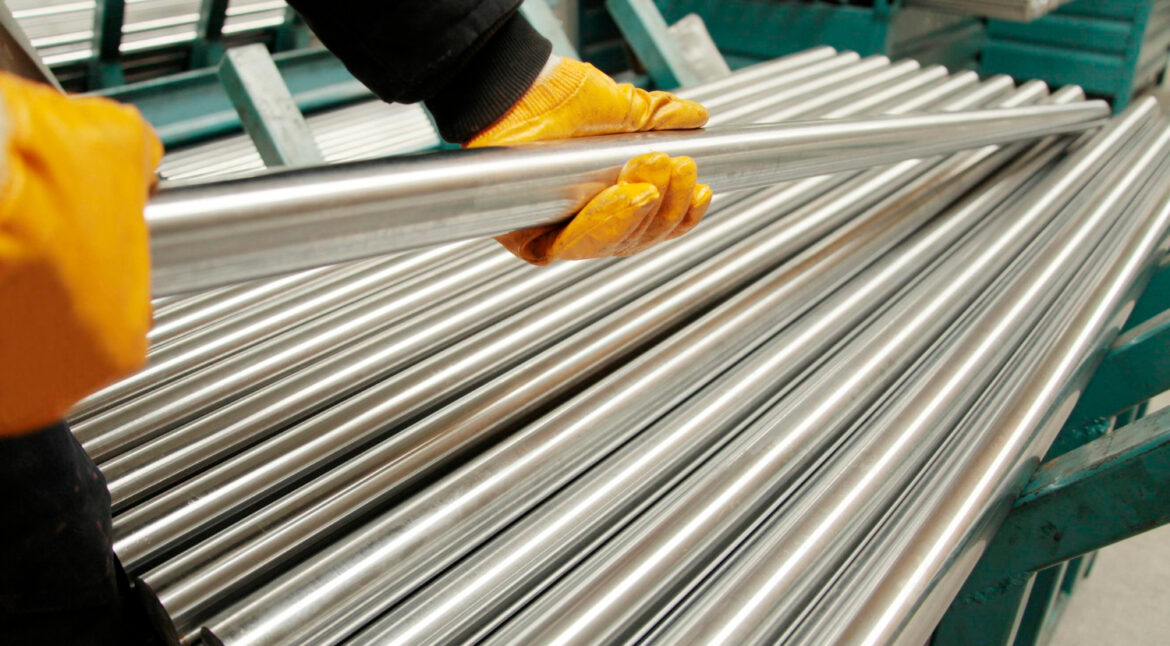
Choosing the right stainless steel tube is an important decision for any industrial or engineering project. The performance, durability, and efficiency of your application depend heavily on selecting a tube that matches your specific requirements. With different grades, sizes, shapes, and finishes available in the market, finding the perfect stainless steel tube can sometimes be challenging.
Stainless steel tubes are widely used across industries such as construction, automotive, chemical processing, food processing, pharmaceuticals, manufacturing, and many more. Their excellent strength, corrosion resistance, and long service life make them a preferred choice for demanding applications.
This guide will help you understand the important factors to consider when selecting the right stainless steel tube for your project.
Table of Contents
ToggleUnderstanding Stainless Steel Tubes
Stainless steel tubes are hollow metal components made from stainless steel alloys. They are designed to handle various industrial requirements, including transporting fluids, supporting structures, and functioning as important machine components.
The main reason stainless steel is popular is its chromium content, which creates a protective layer on the surface and helps prevent rust and corrosion.
Stainless steel tubes are available in different:
- Grades
- Sizes
- Shapes
- Thicknesses
- Finishes
- Manufacturing types
Selecting the correct option ensures better performance and reduces future maintenance issues.
1. Identify Your Project Requirements
Before choosing a stainless steel tube, the first step is understanding your project requirements. Every application has different conditions that affect the choice of material.
Consider factors such as:
- Purpose of the tube
- Operating environment
- Pressure requirements
- Temperature conditions
- Exposure to chemicals
- Required lifespan
For example, a tube used in a chemical processing plant may require high corrosion resistance, while a construction project may focus more on strength and structural support.
Having a clear understanding of your needs helps you select the most suitable tube specification.
2. Choose the Right Stainless Steel Grade
Stainless steel tubes are available in different grades, and each grade offers unique properties.
Some commonly used stainless steel grades include:
Stainless Steel 304
Grade 304 is one of the most widely used stainless steel grades. It provides good corrosion resistance, strength, and durability. It is commonly used in food processing, architecture, and general industrial applications.
Stainless Steel 316
Grade 316 offers higher corrosion resistance compared to 304 due to additional elements in its composition. It is suitable for marine environments, chemical applications, and industries where exposure to harsh substances is common.
Other Stainless Steel Grades
Different projects may require specialized grades depending on factors like temperature, pressure, and chemical exposure.
Choosing the correct grade ensures that your tube performs effectively under working conditions.
3. Consider Tube Size and Dimensions
The size of the stainless steel tube plays a major role in its performance. Selecting the correct dimensions ensures proper functionality and efficiency.
Important dimensions include:
- Outer diameter
- Inner diameter
- Wall thickness
- Length
For fluid transportation systems, the diameter affects flow capacity. For structural applications, wall thickness determines strength and load-bearing ability.
A professional supplier can help you choose the right dimensions based on your project requirements.
4. Select Between Seamless and Welded Tubes
Stainless steel tubes are generally available in two main types:
Seamless Tubes
Seamless tubes are manufactured without welding joints. They provide excellent strength and are commonly used in high-pressure and critical applications.
Advantages include:
- Higher pressure resistance
- Better reliability
- Smooth internal surface
They are often preferred in industries such as oil and gas, chemical processing, and heavy engineering.
Welded Tubes
Welded tubes are produced by forming stainless steel sheets and welding the edges together. They are suitable for many general industrial applications.
Advantages include:
- Cost-effectiveness
- Wide availability
- Various size options
The choice between seamless and welded tubes depends on your application requirements.
5. Evaluate Corrosion Resistance
One of the biggest benefits of stainless steel tubes is corrosion resistance. However, different environments require different levels of protection.
Consider where the tube will be used:
- Outdoor environments
- Chemical exposure
- Moisture areas
- High-temperature conditions
- Marine environments
For harsh conditions, selecting a grade with higher corrosion resistance can improve product life and reduce maintenance costs.
6. Check Temperature and Pressure Requirements
Industrial applications often involve extreme temperatures and pressure levels. The tube you choose must safely handle these conditions.
High-pressure applications require tubes with:
- Strong material properties
- Proper wall thickness
- Reliable manufacturing quality
Similarly, high-temperature environments require stainless steel grades that maintain strength under heat.
Selecting a tube based on operating conditions improves safety and efficiency.
7. Surface Finish and Appearance
The surface finish of stainless steel tubes can affect both appearance and performance.
Different finishes are available depending on the application.
A smooth finish provides:
- Better appearance
- Easier cleaning
- Reduced contamination risk
Industries such as food processing, pharmaceuticals, and architectural projects often require high-quality surface finishes.
Choosing the right finish ensures the tube meets both functional and visual requirements.
8. Consider Industry Standards and Certifications
Quality standards are important when selecting stainless steel tubes. A reliable manufacturer follows industry guidelines to ensure product consistency.
Certified tubes provide confidence regarding:
- Material quality
- Manufacturing accuracy
- Performance reliability
Always choose tubes that meet the required standards for your industry and application.
9. Work With a Reliable Supplier
Choosing the right supplier is just as important as choosing the right tube. A trusted supplier provides quality products, technical guidance, and reliable service.
A good supplier should offer:
- High-quality raw materials
- Accurate product specifications
- Testing support
- Timely delivery
- Customer assistance
An experienced tube manufacturer can help you avoid incorrect selections and provide solutions based on your project needs.
10. Think About Long-Term Cost Efficiency
The cheapest option is not always the best option. A lower-quality tube may lead to frequent repairs, replacements, and increased maintenance expenses.
High-quality stainless steel tubes provide long-term benefits such as:
- Longer service life
- Reduced maintenance
- Better performance
- Improved reliability
Investing in the right material helps businesses save money over time.
Common Applications of Stainless Steel Tubes
Stainless steel tubes are used in many industries, including:
Construction Industry
Used for structural support, railings, frameworks, and architectural designs.
Automotive Industry
Used in exhaust systems, components, and performance applications.
Chemical Industry
Used for pipelines and equipment exposed to chemicals.
Food and Beverage Industry
Used due to hygiene, cleanliness, and corrosion resistance.
Pharmaceutical Industry
Used in equipment requiring strict quality standards.
Manufacturing Industry
Used in machinery, fabrication, and industrial systems.
Benefits of Choosing the Right Stainless Steel Tube
Selecting the correct stainless steel tube provides several advantages:
- Improved project performance
- Increased durability
- Better safety
- Reduced maintenance costs
- Longer equipment life
- Higher efficiency
A properly selected tube ensures that your project operates smoothly and reliably.
Conclusion
Choosing the right stainless steel tube for your project requires careful consideration of material grade, size, application, environment, and quality standards. The correct selection improves performance, reduces costs, and ensures long-term reliability.
Whether your project involves construction, manufacturing, engineering, or industrial applications, working with a trusted stainless steel tube supplier can make a significant difference.
By understanding your requirements and selecting the right tube solution, you can achieve better results, improved efficiency, and lasting value for your business.